World Menopause Day: Every Woman Deserves to Be Heard 
Menopause is a natural stage of life, but that doesn’t mean it’s always an easy one. For many women, one of the biggest challenges isn’t just the physical or emotional changes they’re experiencing, it’s feeling as though nobody truly understands what they’re going through.
Have you ever looked in the mirror and felt that you don’t quite recognise the person looking back at you? Perhaps your body no longer feels like your body, your sleep has become disrupted, your energy levels have disappeared, or you’re experiencing aches and pains that you can’t quite explain.
Maybe your emotions seem to change at lightning speed, leaving you feeling overwhelmed, anxious, tearful or frustrated, sometimes without knowing why. You might find yourself forgetting why you walked into a room, struggling to concentrate on conversations or simply not having the same enthusiasm for things you once enjoyed.
These experiences can leave you feeling confused, exhausted and, at times, incredibly alone. Yet so many women continue to push through, looking after their families, managing their work and supporting everyone around them, while quietly wondering what’s happening to their own bodies.
Understanding the changes
Perimenopause and menopause are natural stages in a woman’s life, but everyone’s experience is different. Perimenopause is the transitional period leading up to menopause, when hormone levels begin to fluctuate, often several years before periods stop altogether. These hormonal changes can bring with them a wide range of physical and emotional symptoms, some of which women may not immediately associate with menopause.
Menopause itself is reached when you’ve gone 12 consecutive months without a period, provided there isn’t another medical explanation. For some women, this transition happens relatively smoothly, while for others it can have a significant impact on their physical health, emotional wellbeing, relationships, confidence and everyday life.
Common symptoms can include:
Although awareness of these symptoms is growing, there’s still a long way to go in helping women feel genuinely understood and supported. Menopause is about so much more than hot flushes or the end of periods, and for many women it represents a period of significant change that can affect how they feel about themselves, their relationships and their everyday lives.
The importance of feeling heard
One of the things I feel most strongly about is the importance of being heard, particularly during times when our bodies and emotions may feel unfamiliar or unpredictable. It is during such times that we may struggle to vocalise how we feel, or explain our symptoms, or not advocate for ourselves as well as we are able when we feel ourselves.
How often have you brushed aside how you’re feeling because there’s something else that needs doing? Perhaps you’ve told yourself you’re just tired, stressed or getting older, or felt that you need to justify why you’re not feeling quite yourself.
It’s easy to become so accustomed to putting everyone else’s needs first that we forget to recognise our own. Between family responsibilities, work commitments and the general demands of everyday life, finding the time to focus on our own wellbeing can feel like a luxury rather than a necessity.
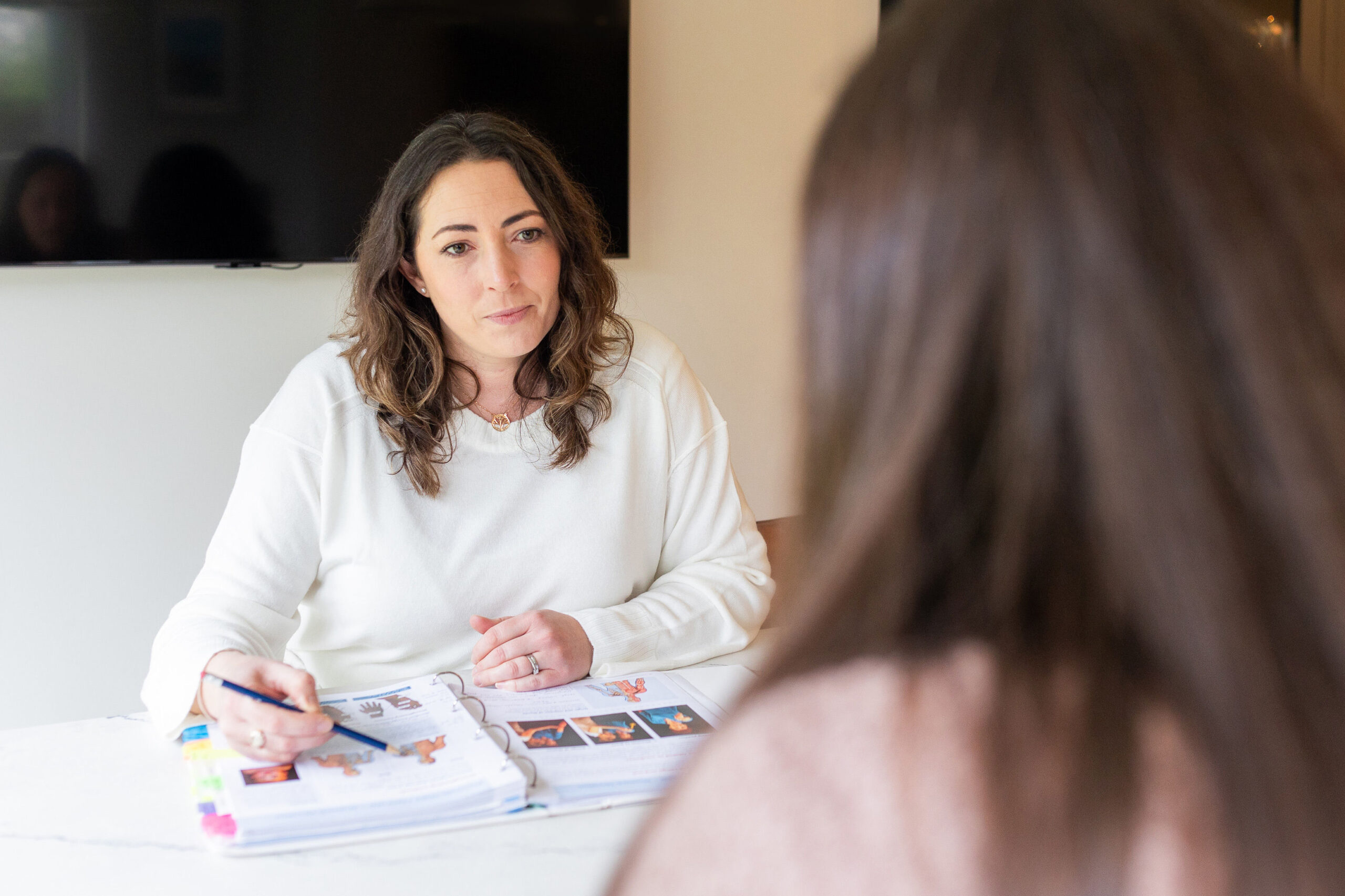
Yet having the opportunity to talk openly about what we’re experiencing, without feeling rushed, dismissed or judged, can make a meaningful difference. Sometimes, simply knowing that someone is taking the time to listen and understand how you’re feeling can help you feel less alone and more confident about seeking the support you need.
Every woman’s experience is valid, whether symptoms are mild and manageable or having a significant impact on daily life. Nobody should feel that they have to minimise what they’re going through or accept feeling unwell as an inevitable part of getting older.
Why I’m passionate about Systematic Kinesiology
This is one of the reasons I feel so passionate about Systematic Kinesiology and the approach I take with the people I work with. For me, it’s about recognising that every person is an individual, with their own experiences, challenges and needs, and taking the time to understand the person sitting in front of me.
There isn’t a one-size-fits-all approach to wellbeing, particularly during a stage of life when so much can be changing physically and emotionally. I believe it’s important to create an environment where people feel comfortable talking openly about what they’re experiencing, without feeling that they need to explain or justify their emotions.
Systematic Kinesiology is a complementary wellbeing practice that uses muscle testing alongside discussions about lifestyle, nutrition and emotional wellbeing to guide an individual approach. The muscle testing takes the guesswork away and the balance of whole endocrine system checked over.
During a session, my aim is to create a calm, welcoming space where the focus is entirely on you. Whether you’re feeling overwhelmed, exhausted, emotional or simply in need of some time for yourself, I want you to feel comfortable sharing your experiences and discussing what matters most to you.
Systematic Kinesiology may be something you choose to explore as part of your wider self-care routine, alongside appropriate healthcare and support from a suitably trained medical professional.
Above all, I want the women I work with to feel listened to, understood and cared for, with the opportunity to step away from the demands of everyday life and give their own wellbeing some much-deserved attention.
Learning to put yourself first
For many women, perimenopause and menopause arrive at an already busy stage of life, often alongside the responsibilities of work, family, relationships and caring for others. With so much going on, it’s understandable that our own wellbeing can gradually slip further down the list of priorities.
Taking care of yourself, however, isn’t selfish, and recognising when you need additional support is an important part of looking after your health. Giving yourself permission to slow down, rest when you need to and make time for things that support your physical and emotional wellbeing can help you navigate periods of change with greater confidence.
This might mean making an appointment with your GP to discuss symptoms and treatment options, finding ways to improve your sleep, making time for movement you enjoy or exploring relaxation techniques that help you manage everyday stress. It could also mean opening up to a friend, partner or family member about how you’re really feeling, rather than trying to manage everything on your own.
There is no expectation that you should simply put up with symptoms or struggle through this stage of life in silence. Seeking help, asking questions and finding the right support for your individual circumstances are all positive steps towards taking care of yourself.
Let’s keep the conversation going
World Menopause Day is an important opportunity to raise awareness, challenge misconceptions and encourage more open conversations about something that will affect so many women throughout their lives.
Although menopause is becoming more widely discussed, there are still women who feel uncomfortable talking about their experiences or aren’t sure where to turn for support. By continuing these conversations beyond World Menopause Day, we can help create an environment where women feel more confident sharing their concerns, asking questions and seeking appropriate advice.
It’s also important to recognise that there is no single rightway to experience menopause. What feels manageable for one woman might feel incredibly difficult for another, and every experience deserves the same understanding and respect.
Whether you’re just beginning to notice changes, navigating perimenopause or adjusting to life after menopause, knowing that you’re not alone and that support is available can make a real difference.
You deserve to feel like yourself again
If there’s one message I’d love every woman to take away this World Menopause Day, it’s that your experiences matter, your feelings deserve to be acknowledged and your wellbeing is just as important as that of everyone you care for.
You don’t have to dismiss your symptoms as something you should simply put up with, and there are medical treatments, practical strategies and sources of support available to help you navigate this transition.
If you’re looking for some time and space to focus on your wider wellbeing, I’d love to welcome you for a conversation about how I work and whether Systematic Kinesiology might be something you’d like to explore during this transition.
Most importantly, I hope World Menopause Day encourages more women to speak openly about their experiences and reminds us all of the importance of listening with kindness, understanding and compassion.
I’d love to hear from you. What do you wish more people understood about perimenopause and menopause?